
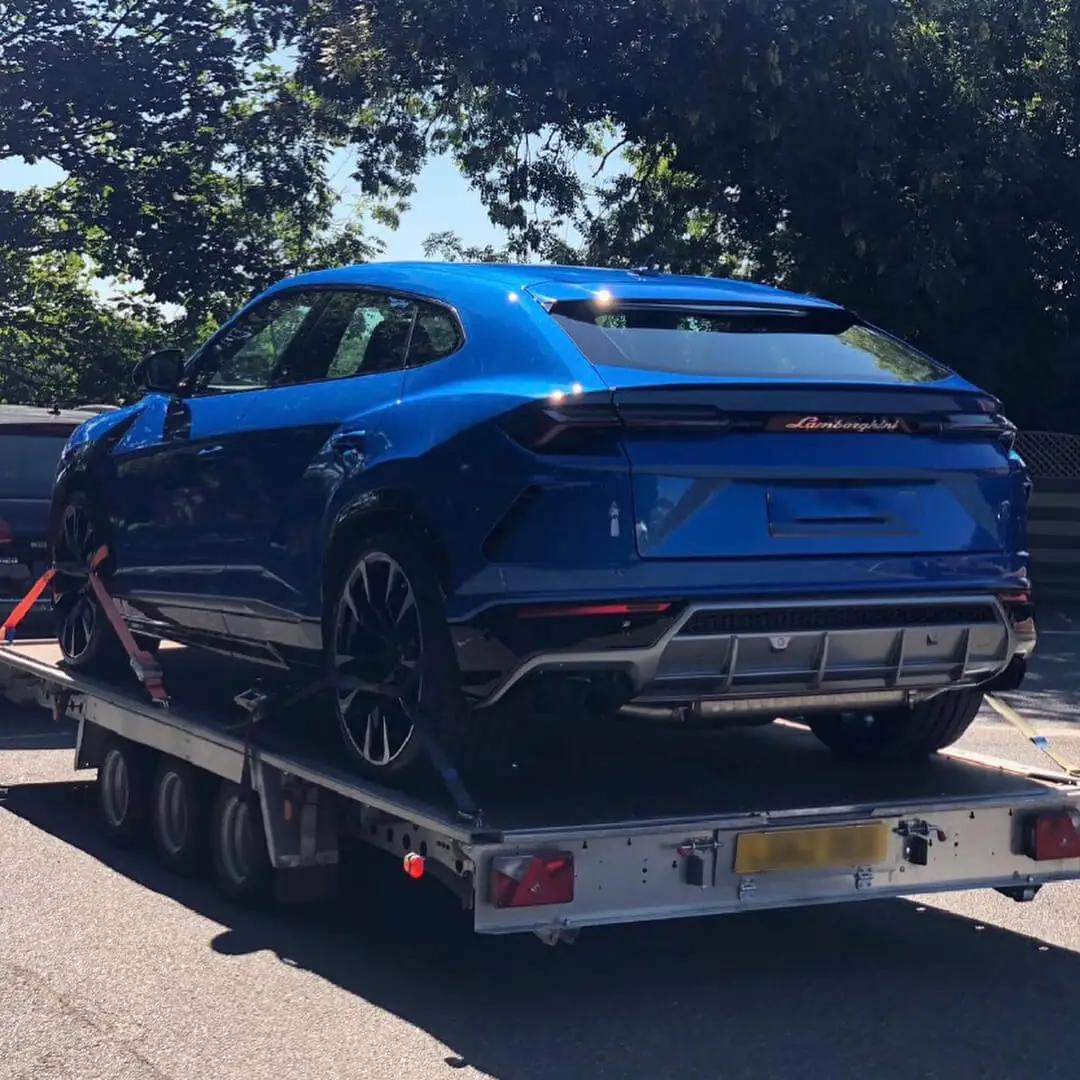
Collection, inspection and loading order
An open shipment begins with a collection from the address you nominate — a private residence, a franchise dealership, a fleet centre, an auction site or a trade compound. The transporter arrives within a pre-agreed window, normally a two-hour slot. The driver completes a pre-shipment inspection before the vehicle is touched: every panel is photographed, the indicated mileage and fuel level are logged, and any pre-existing marks are noted and signed off. That record is the contract for hand-over at the other end.
Loading order on the trailer is planned around the route. The first vehicle off at delivery goes on last; the last off goes on first. Each car is secured with straps over the wheels — the standard tie-down for open-deck dispatch, the same method used by manufacturer transport and the wider European car-movement industry. It is well-proven for the vehicles it is designed to carry.
Transit, customs and delivery
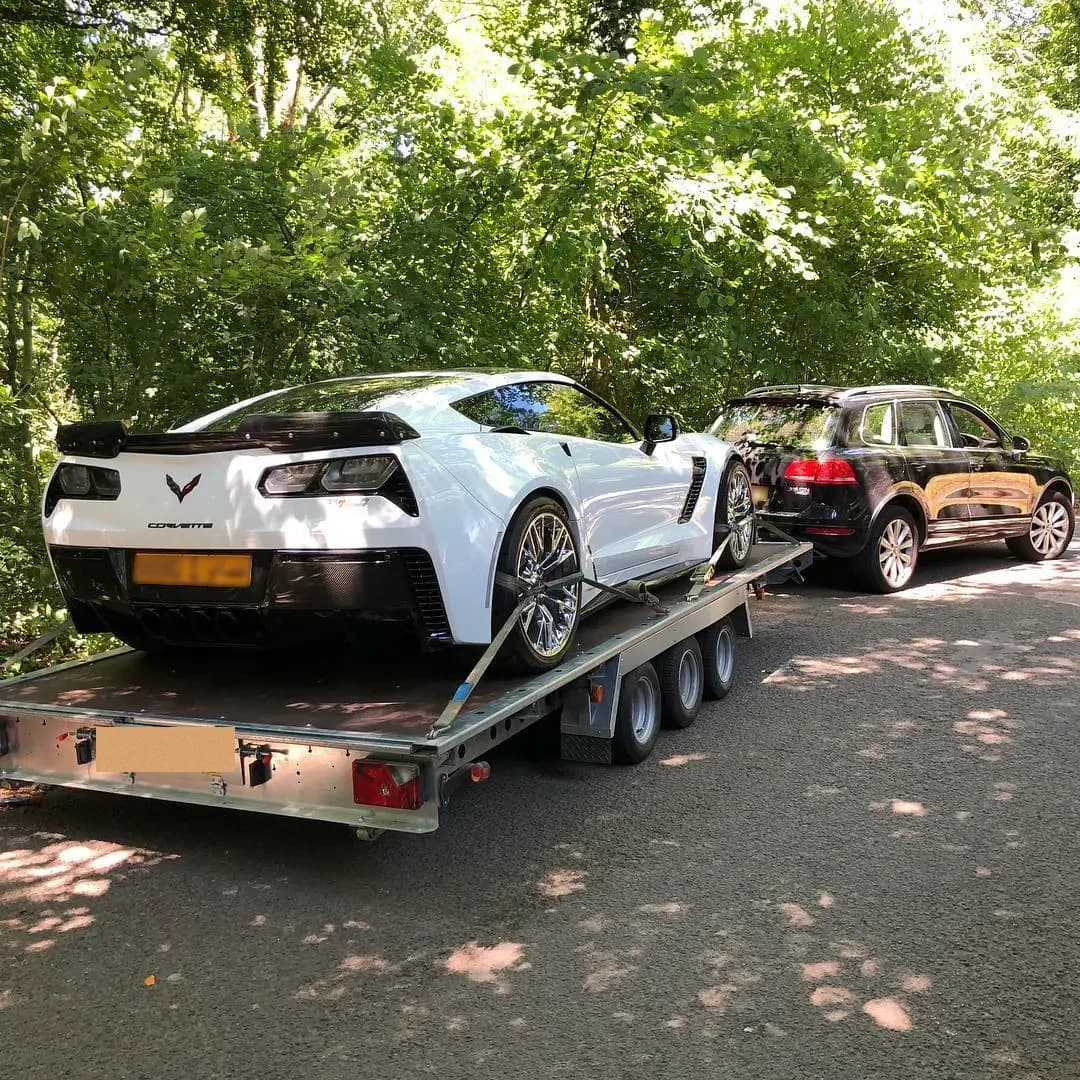
Once loaded, the transporter runs the planned route — UK domestic runs head straight to the delivery address; international runs cross the Channel via Eurotunnel or a ferry crossing from Dover, Portsmouth or Hull, then continue across the EU road network. The deck is exposed to weather and road conditions throughout the journey, which is part of the cost saving over enclosed haulage. For a standard production vehicle on a route of a few days, that exposure is no different to a normal week of driving.
Post-Brexit, every UK to EU movement clears customs. Our in-house team lodges the UK export declaration and instructs the broker on the import side. T1 transit, the EU import declaration and the onward release are handled without the customer being involved — the paperwork lands at the transporter, not at your office. The detail is set out on our European customs page.
Hand-over takes place at the address you nominate — a residence, a dealership forecourt, a fleet centre, an auction site or a trade compound. A hand-over inspection mirrors the UK collection record, the photographic pack is emailed the same day and the customs release follows where applicable. For repeat trade and fleet work we set up a single nominated co-ordinator so the same point of contact runs every consignment.
When to choose enclosed instead
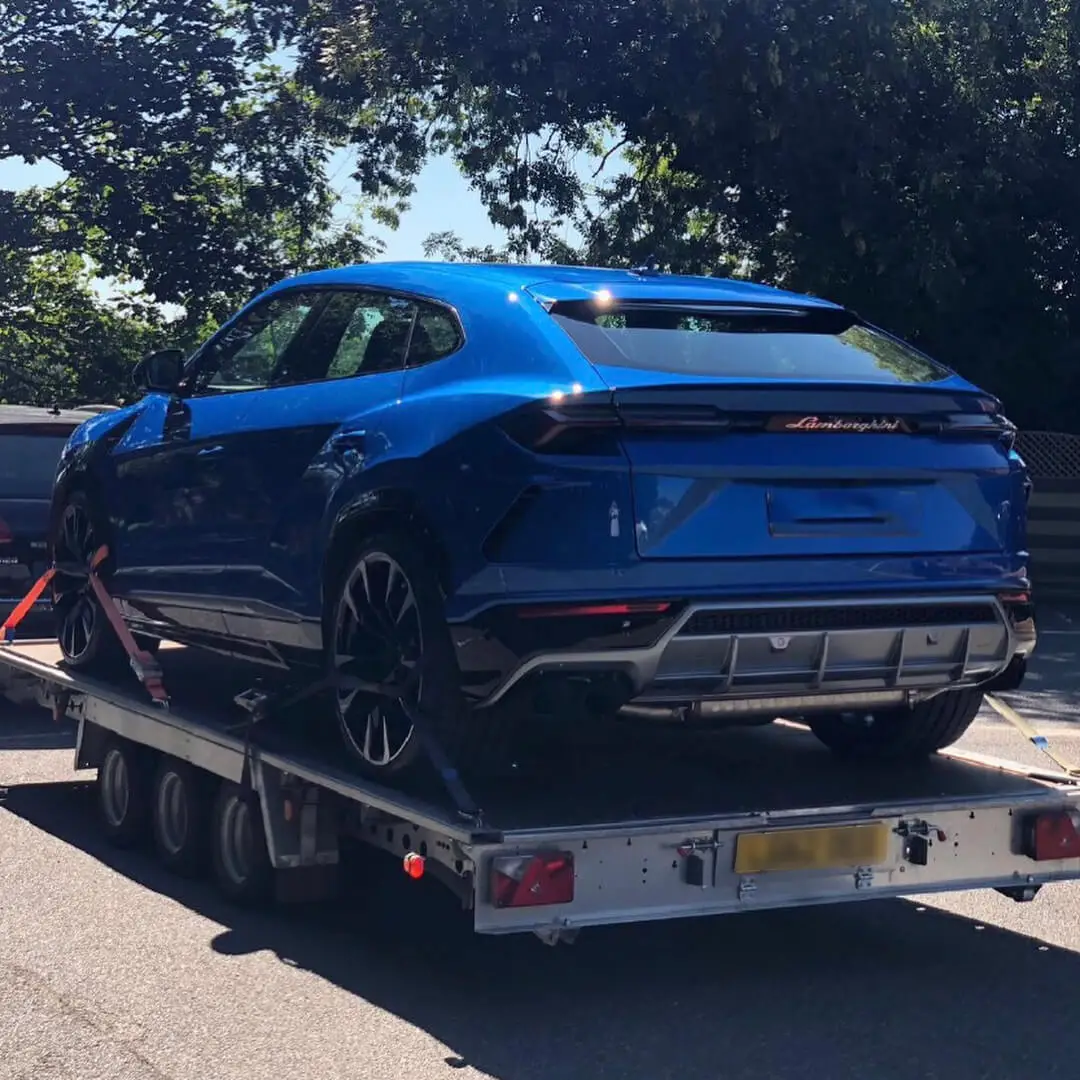
We will tell you directly when open transport is not the right fit. Four factors push the decision toward enclosed haulage. First, value: anything north of around £40,000 starts to benefit from a covered trailer, and anything north of £100,000 should default to enclosed. Second, paint sensitivity: paint protection film, ceramic coatings, fresh respray and concours-ready condition all benefit from a covered deck — a single stone chip on an open route can mean a four-figure bill. Third, vehicle category: supercars, hypercars, classic cars and limited editions are not appropriate for the open service regardless of monetary value. Fourth, privacy: if the vehicle should not be visible to passing traffic, enclosed removes the load from public view.
For collector vehicles and restorations, see our classic car transport service. For modern supercars and hypercars, see our supercar transport service. If you are weighing the decision for a vehicle that sits near the boundary, use our transport quotes page for the details we need to quote for open or enclosed transport.