East Coast, West Coast and the choice of port
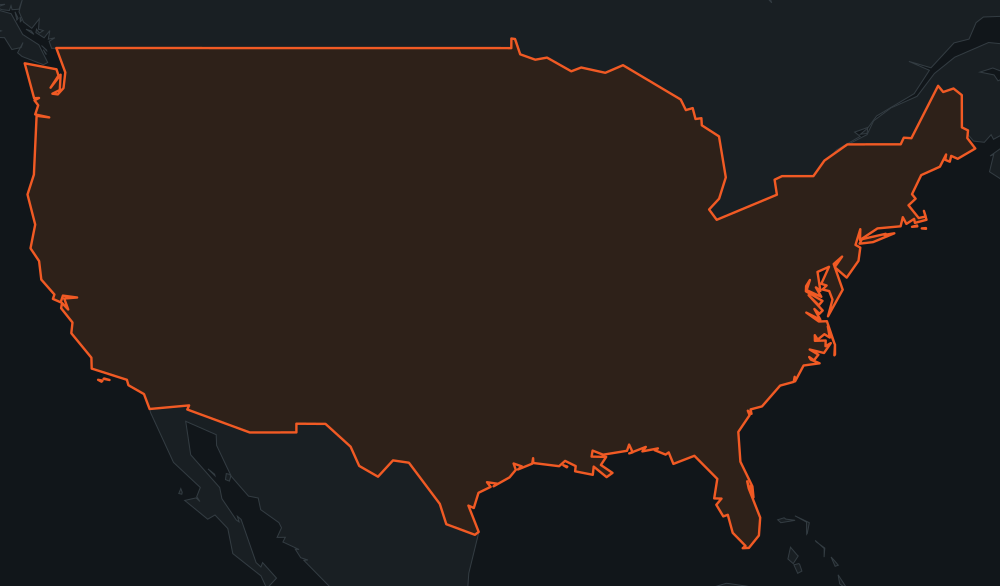
East Coast sailings handle the bulk of UK-origin shipments. New York and Baltimore receive most vehicles arriving in the north-east, Charleston serves the Carolinas and the south-east, and Miami is the primary port for Florida — heavily used by UK collectors shipping vehicles for the Amelia Island Concours d’Elegance each March and by year-round residents moving cars to the Palm Beach corridor. Sea transit on these routes typically runs 14 to 21 days from a UK departure port.
West Coast routings — Los Angeles, Long Beach and San Francisco — run longer, typically 21 to 35 days port-to-port. The vessel either sails directly through the Panama Canal or trans-ships at an East Coast port with onward US carriage. We tell you which option we are quoting and why. The West Coast is where most UK-spec supercars headed to private collectors in Los Angeles and the Bay Area land, alongside classics bound for the Pebble Beach Concours each August.
Between collection in the UK, port handling, the sea leg, customs clearance and onward delivery in the US, East Coast clients should plan on four to six weeks door-to-door, and West Coast clients on five to seven weeks. Hurricane season on the East Coast — broadly September to November — occasionally pushes schedules out, and we build the contingency into the quote where relevant.
RoRo or enclosed container
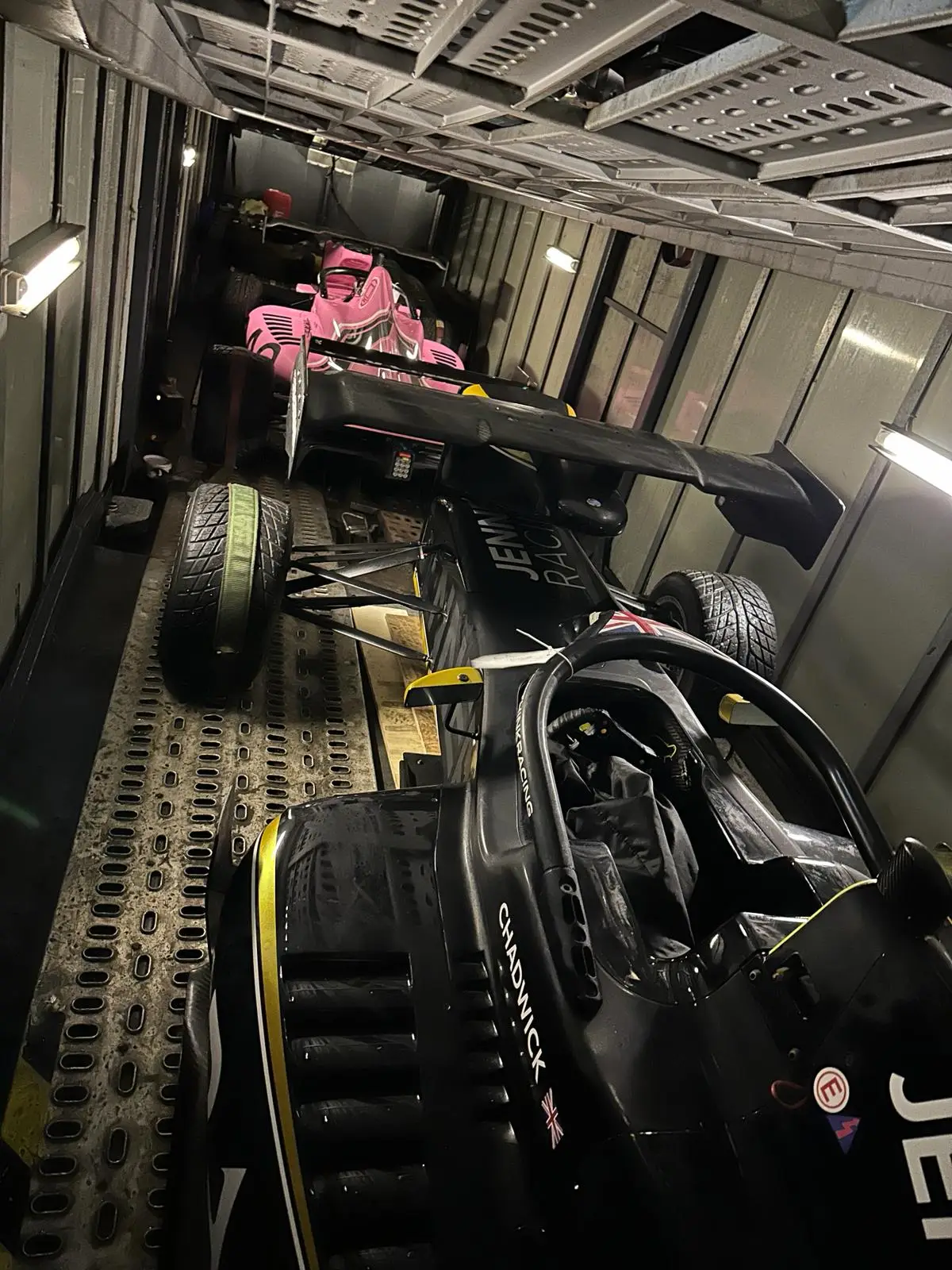
The choice of shipping mode is the biggest decision on a UK to USA booking. RoRo — roll-on roll-off — is the cheaper option. The vehicle is driven onto a purpose-built vessel, strapped to an open deck and driven off at the destination port. It suits a daily-driver saloon or family SUV where a fortnight of sea-air exposure and the ordinary contact wear of an open deck is acceptable, and where the price gap matters more than the protection.
For any vehicle of value we recommend an enclosed container. The vehicle is loaded into a 40ft steel container at the UK port, strapped and chocked into purpose-built rails, and sealed for the full crossing. The container is either sole-use, with one vehicle inside, or a matched share with one other compatible car. The vehicle is kept away from sea spray, port handling wear and the elevated claims rate that comes with open-deck RoRo. For supercars and any vehicle insured above £75,000, a container is the only option we recommend.
DVLA export, US customs, EPA and DOT
Every UK car leaving for the United States must be formally exported from DVLA records. We lodge the export notification on the V5C in advance of the sailing, so the UK record is cleanly closed and the vehicle is not shown as still on the road in DVLA’s system after it has left the country. You keep the V5C as proof of UK history, which is a routine request from US title agents and from insurers writing cover for the car in the US.
On arrival in the US we file the formal entry with US Customs and Border Protection. Passenger cars attract a 2.5% import duty on the declared customs value. Motorcycles attract 10% and light commercial trucks 25%. We remit the duty on your behalf and recover it on the final invoice. Alongside the customs entry we file the EPA 3520-1 emissions declaration and the DOT HS-7 safety declaration. The completed pack — bill of lading, customs release, EPA and DOT forms, pre-shipment inspection and hand-over inspection — is emailed and handed over with the vehicle.
Eligibility under EPA and DOT is the first check before booking, and the two thresholds run on different clocks. A vehicle 21 years old or older is exempt from the EPA emissions declaration; a vehicle 25 years old or older is exempt from DOT/FMVSS safety standards too — the reason so many UK classics cross for Pebble Beach and Amelia Island each year once they clear both. Newer vehicles must either meet US standards as manufactured, be modified by a registered importer, or qualify under a Show or Display exemption for limited-production marques. A car that has cleared the EPA threshold but not yet the DOT one (21 to 24 years old) can sometimes sit out the remaining years in a US bonded facility, or pursue one of the routes above for the DOT side. We tell you plainly before collection whether a given vehicle is a viable candidate, and we do not take a booking on a car that cannot lawfully be registered at the other end.
Two duty positions are worth knowing. Returning US residents and US government employees moving home are exempt from import duty on a personal vehicle. Non-US residents may import a car duty-free for personal use for up to a year, provided the import coincides with their arrival in the country. Both routes still require the EPA, DOT and CBP paperwork to be in order, and both still benefit from a container booking where the vehicle warrants the protection.
US Customs and Border Protection also enforces sanitary conditions on arriving vehicles. Imported cars must be free of soil, plant matter and biological residue at the port. We pre-wash the vehicle at the UK depot before loading, including the underbody and wheel arches, so the car presents cleanly at the US port and avoids the cleaning charges and holds that follow a failed inspection.
Documentation and what we ask of you
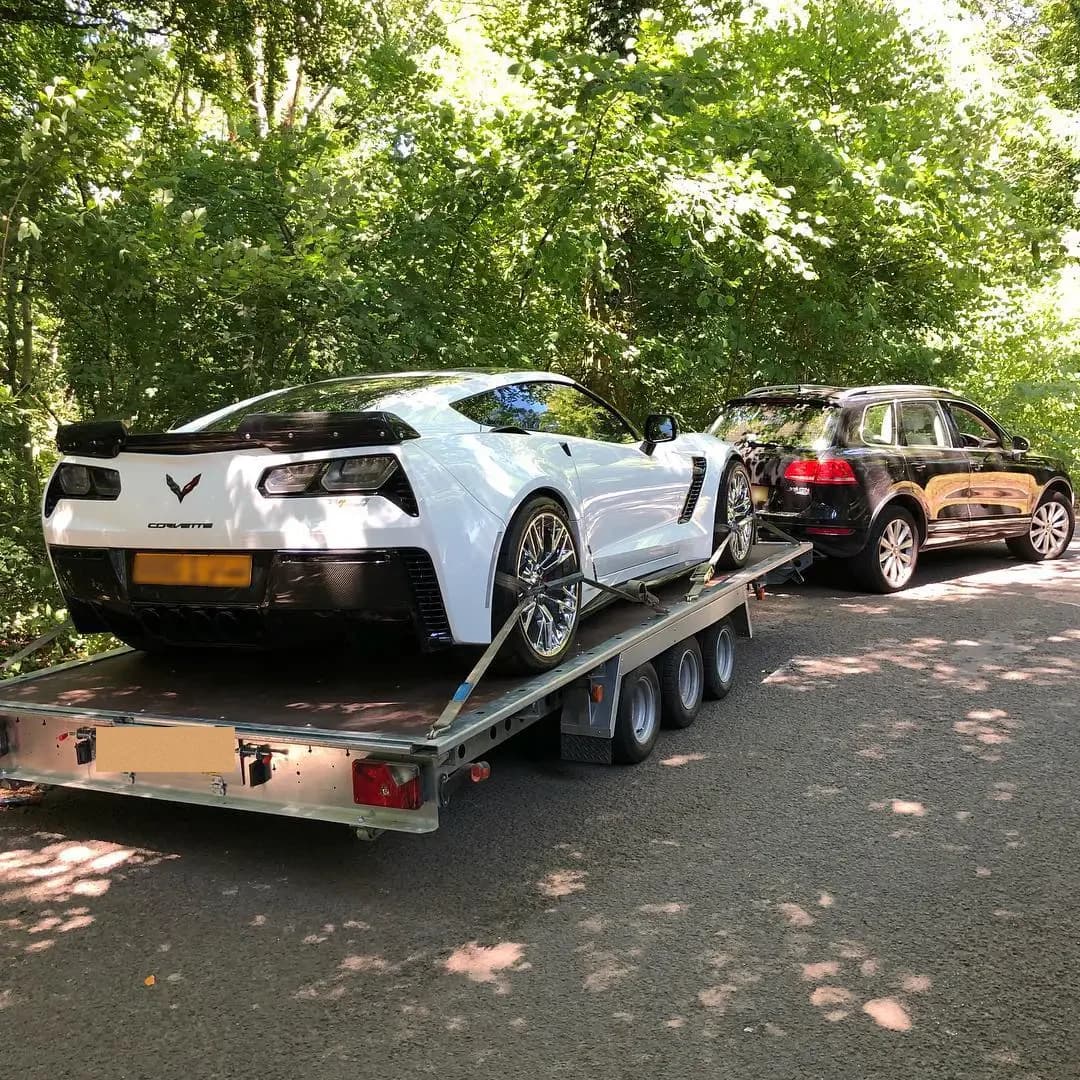
For a standard UK to USA passenger-car shipment we need the V5C, a recent open-market valuation or bill of sale, proof of identity, the keys and a service-history pack if available. For permanent relocations we also ask for proof of insurance cover at the US end, a manufacturer’s certificate of conformity where one exists, and any emissions-modification paperwork relevant to vehicles imported by a registered importer. Photographs and a written condition report are taken at collection and again at US hand-over, and both are shared with you.